
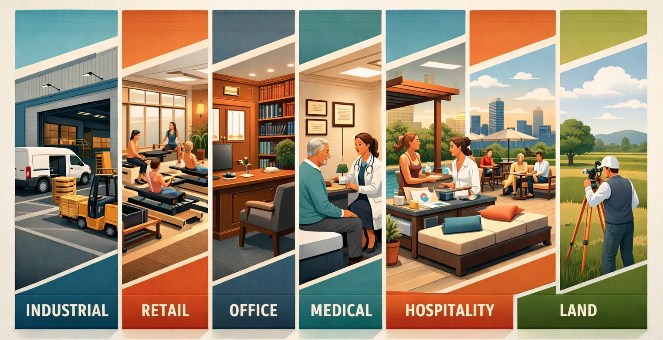
Commercial real estate isn’t one market anymore.
It’s six lanes moving at six different speeds.
The Signal
The market isn’t down — it’s sorting, and the adaptable operators are pulling ahead.
Service, food, medical, and fitness retail thrive.
Bottom Line
There isn’t one commercial real estate market anymore.
There are six different lanes moving at six different speeds — and capital, tenants, and operators are learning (sometimes painfully) which lane they’re actually in.
Here’s what’s happening across industrial, retail, office, medical, hospitality, and land — and how it’s impacting real people on the ground.
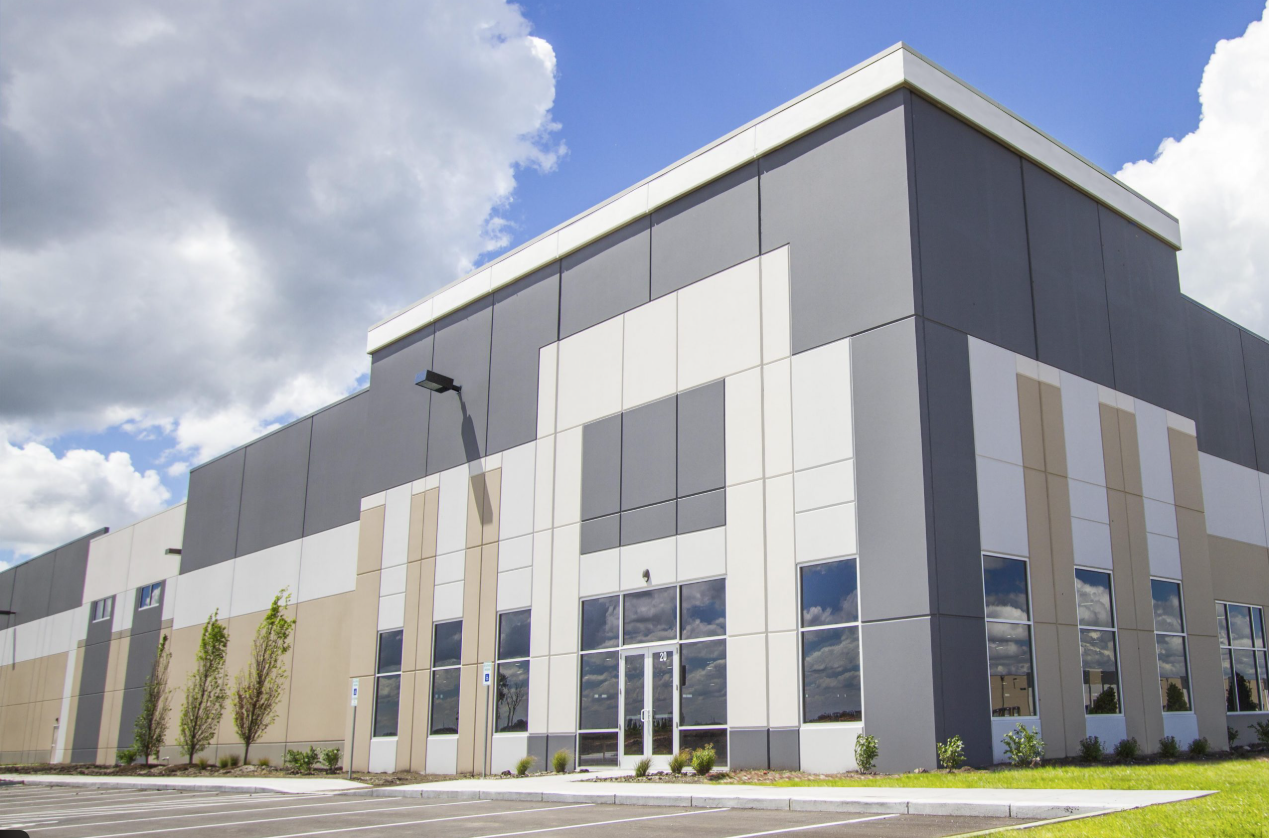
Industrial: From “How Big?” to “How Efficient?”
Trend:
The big-box land grab has cooled. Now the focus is:
- Smaller bay industrial
- Infill / last-mile locations
- Flex industrial with showroom or office component
- Automation-ready buildings
Vacancy has ticked up in some markets, but functional space still wins.
Real Impact:
A regional HVAC contractor who used to lease 5,000 SF now needs 18,000 SF — not for more staff, but for equipment storage and same-day dispatch. They lost two bids last year because they couldn’t respond fast enough. The right industrial building became a competitive weapon, not just overhead.
Retail: Experience or Extinction
Trend:
Commodity retail struggles.
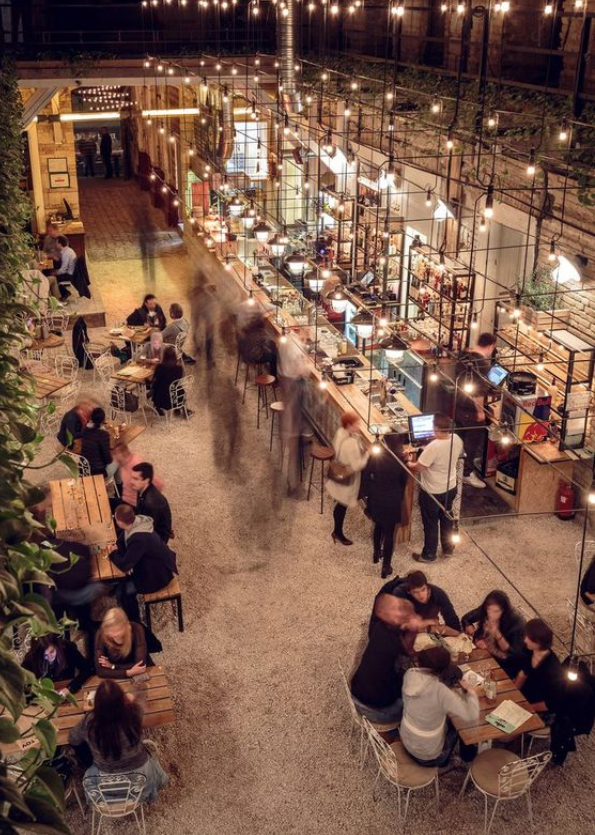
Service, food, medical, and fitness retail thrive.
Landlords are replacing soft goods with:
- Nail salons
- Med spas
- Boutique fitness
- Specialty food
- Experiential concepts
Real Impact:
A landlord with a struggling apparel tenant replaced them with a boutique Pilates studio and a smoothie concept. Same square footage. 40% higher rent. Foot traffic increased for the entire center.
Retail isn’t dead. Boring retail is.
Office: Smaller, Better, Intentional
Trend:
- Tenants downsizing 20–40%
- Flight to quality
- Suburban outperforming urban in many markets
- Amenitized buildings winning
Commodity Class B without updates is under real pressure.
Real Impact:
A law firm cut from 9,000 SF to 5,500 SF but moved into a higher-quality building. Their rent per foot went up. Their total occupancy cost went down. Recruiting improved.
Office isn’t collapsing. It’s compressing.
Medical: The Quiet Beast
Trend:
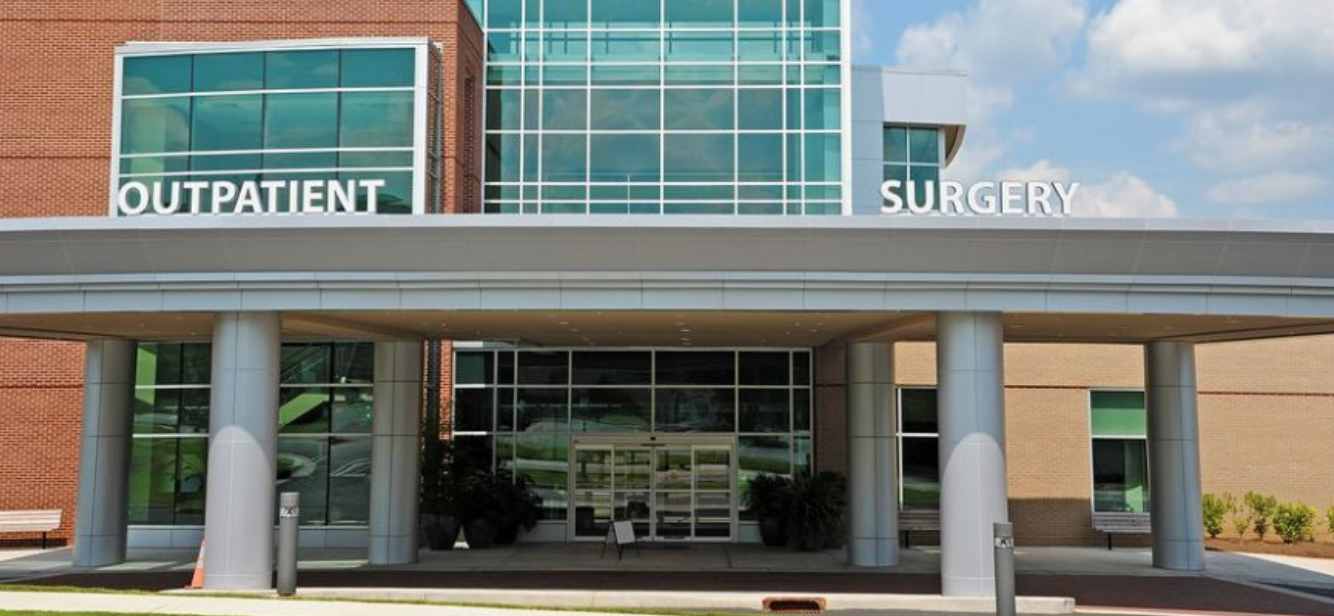
- Outpatient growth
- Hospital systems moving off campus
- Private practice expansion
- Long lease terms
Medical users aren’t speculative. They’re infrastructure-driven.
Real Impact:
An orthopedic group signed a 12-year lease in a growing suburb rather than renew near the hospital campus. Why? Their patients live in the suburbs. Follow the rooftops, not the hospital.
Medical is sticky, strategic, and under-allocated by many investors.
Hospitality: Leisure Wins, Business Lags
Trend:
- Boutique and experiential hotels outperform
- Drive-to leisure markets strong
- Corporate travel still uneven
- Food & beverage now critical revenue
Real Impact:
A secondary-market boutique hotel added a rooftop bar and repositioned branding. Room rates increased. Weekend occupancy surged. Corporate midweek still soft — but the leisure reposition saved the asset.
Hospitality is no longer just about keys. It’s about vibe and revenue per guest.
Land: The Great Pause (and Selective Push)
Trend:
- Builders cautious
- Entitled land trades
- Raw dirt slower
- Infrastructure-ready sites premium
Capital wants certainty.
Real Impact:
A developer sat on raw land for 18 months waiting for rates to settle. Meanwhile, an entitled pad next door traded at a premium because the buyer could start immediately.
In today’s market, time risk is pricing risk.
The Big Picture
Industrial is operational.
Retail is experiential.
Office is intentional.
Medical is defensive.
Hospitality is emotional.
Land is strategic timing.
This is not a down market.
It’s a sorting market.
Operators who adapt are winning. Owners who wait for “normal” are stuck underwriting yesterday.
That’s the signal.
– Ryan